
Home · Guides · Heading styles
The flagship guide
Curtain heading styles, explained
The heading is the fold at the top of the curtain, and it is the single biggest decision you will make. Same window, same fabric, different heading: you get a visibly different curtain. Here are the four that cover nearly every home, with the plan view of how each one actually sits on its track.
Heading one
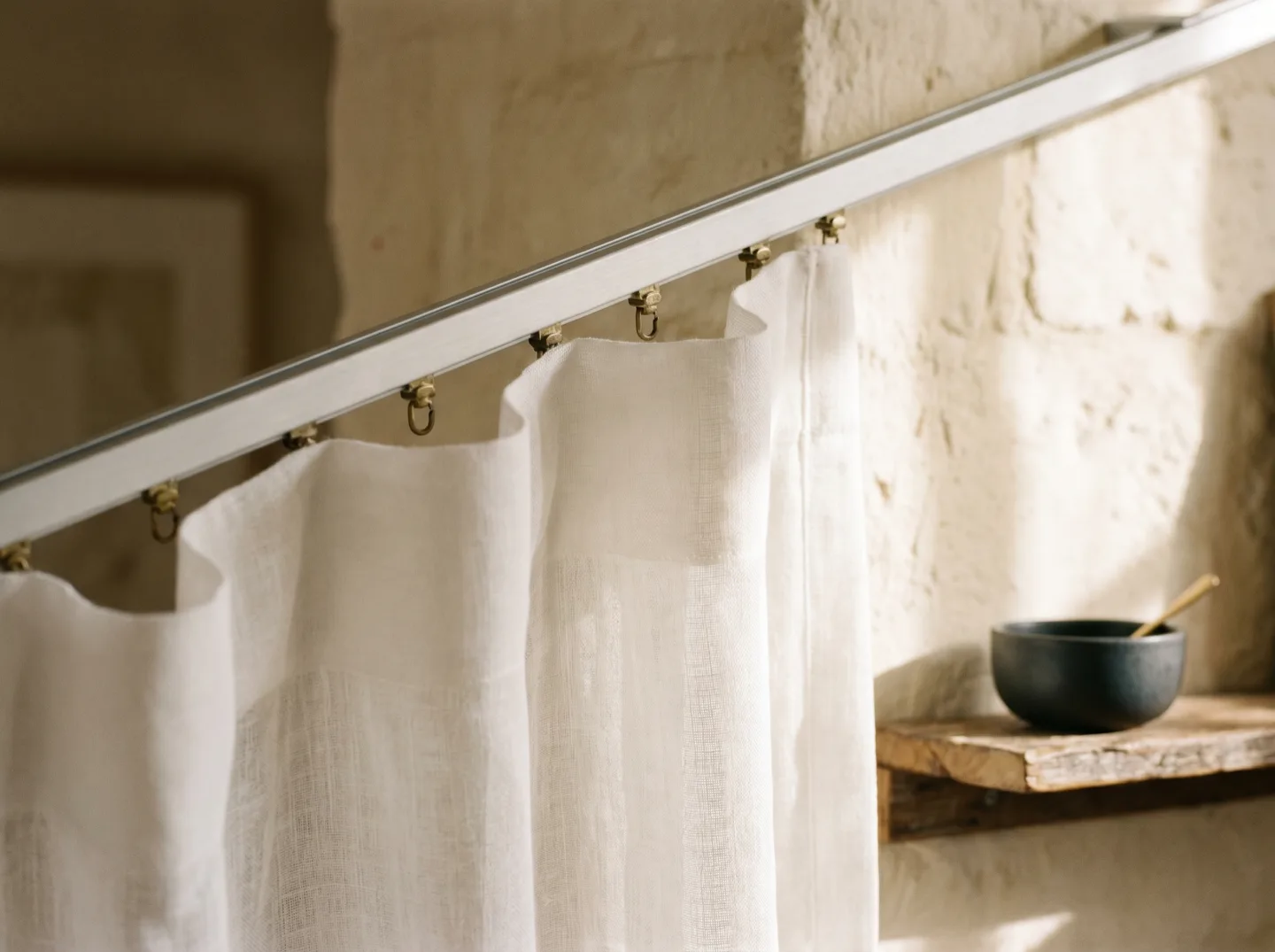
S-fold (wave fold)
The fabric snakes along the track in one continuous, even wave, front to back to front. No gathers, no stitched pleats: the fold is made entirely by glider spacing on a purpose-built track.
- Falls in soft, uniform columns, the most relaxed and modern of the four.
- Wants roughly double the track's width in fabric, and cloth with enough body to hold the wave. Sheers were born for it.
- Runs on a track only, usually ceiling-fixed. There is no S-fold on a rod; the wave is the track's doing.
- Suits sheers over big glass, view rooms, and any space going for calm rather than ceremony.
Ask for it as: S-fold or wave fold; some makers call it ripple fold. Same wave.
Heading two
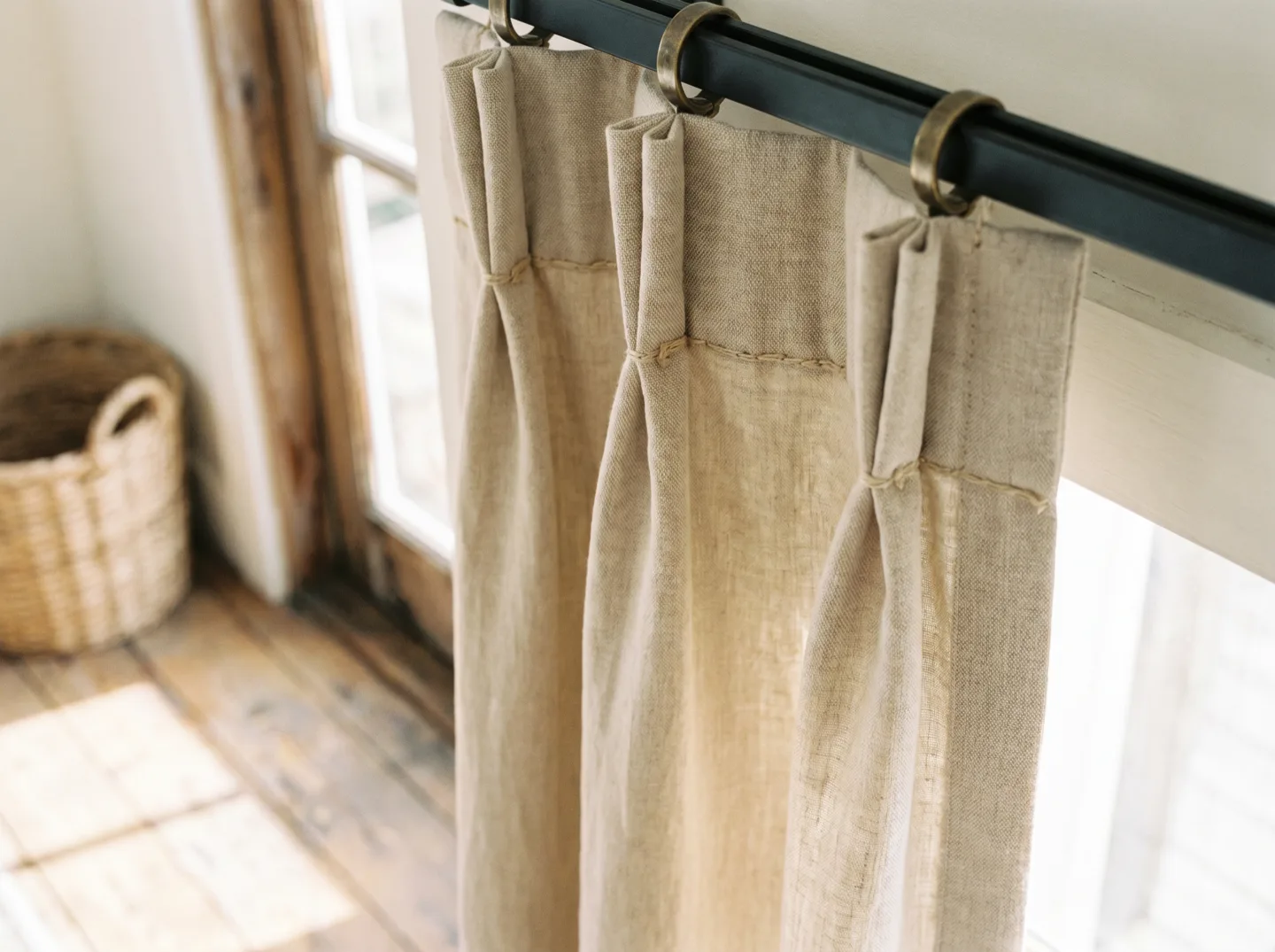
Pinch pleat
Fabric gathered into stitched groups of two or three folds (the double or triple pinch), pinched at the base so each group fans open at the top and falls as a tailored column.
- Falls in deep, structured columns that hold their shape. The most formal of the four, and the most generous-looking.
- Wants a bit more than double fullness, and rewards fabric with weight: linens, lined drapes, velvets.
- Runs on track or rod equally happily; the hooks sit behind, so the heading, not the hardware, is the show.
- Suits heritage rooms, high ceilings, bedrooms with lined drapes, and anywhere the curtain is part of the architecture.
Ask for it as: double or triple pinch pleat. (French pleat is the triple's older name.)
Heading three
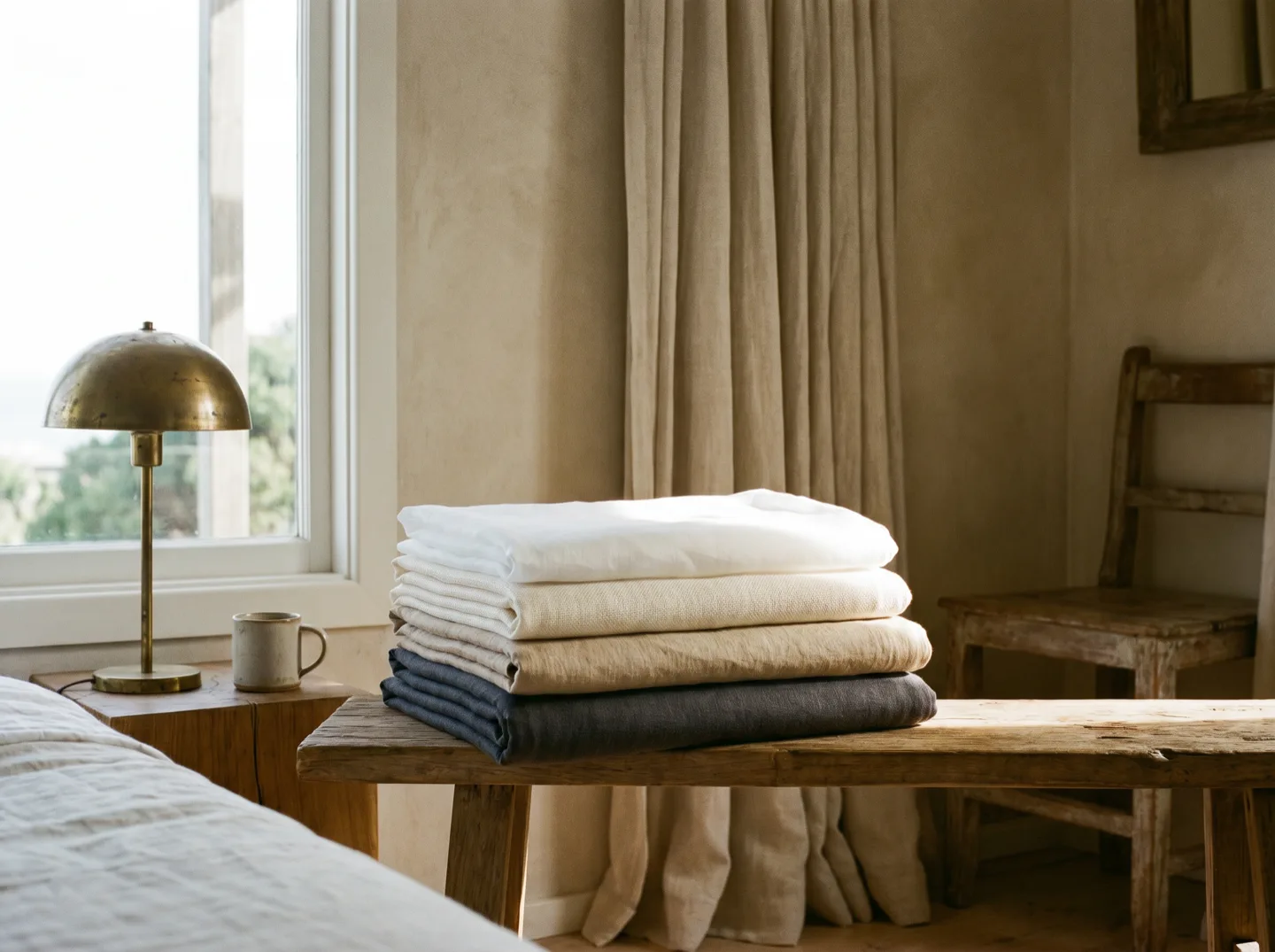
Pencil pleat
A gathering tape sewn across the top is drawn up into fine, even, pencil-thin gathers. The workhorse heading of Australian homes for good reason: it looks right nearly everywhere and asks the least of the budget.
- Falls in soft, close gathers, fuller and busier at the top than an S-fold, gentler than a pinch pleat.
- Wants about double fullness. Forgiving of most fabrics, from light-filters to heavy lined cloth.
- Runs on track or rod, and tucks neatly behind a pelmet, which also makes it the thermal curtain's best friend.
- Suits cottages, family rooms, bedrooms, and anyone who wants a classic curtain without a statement heading.
Ask for it as: pencil pleat, or gathered tape heading.
Heading four
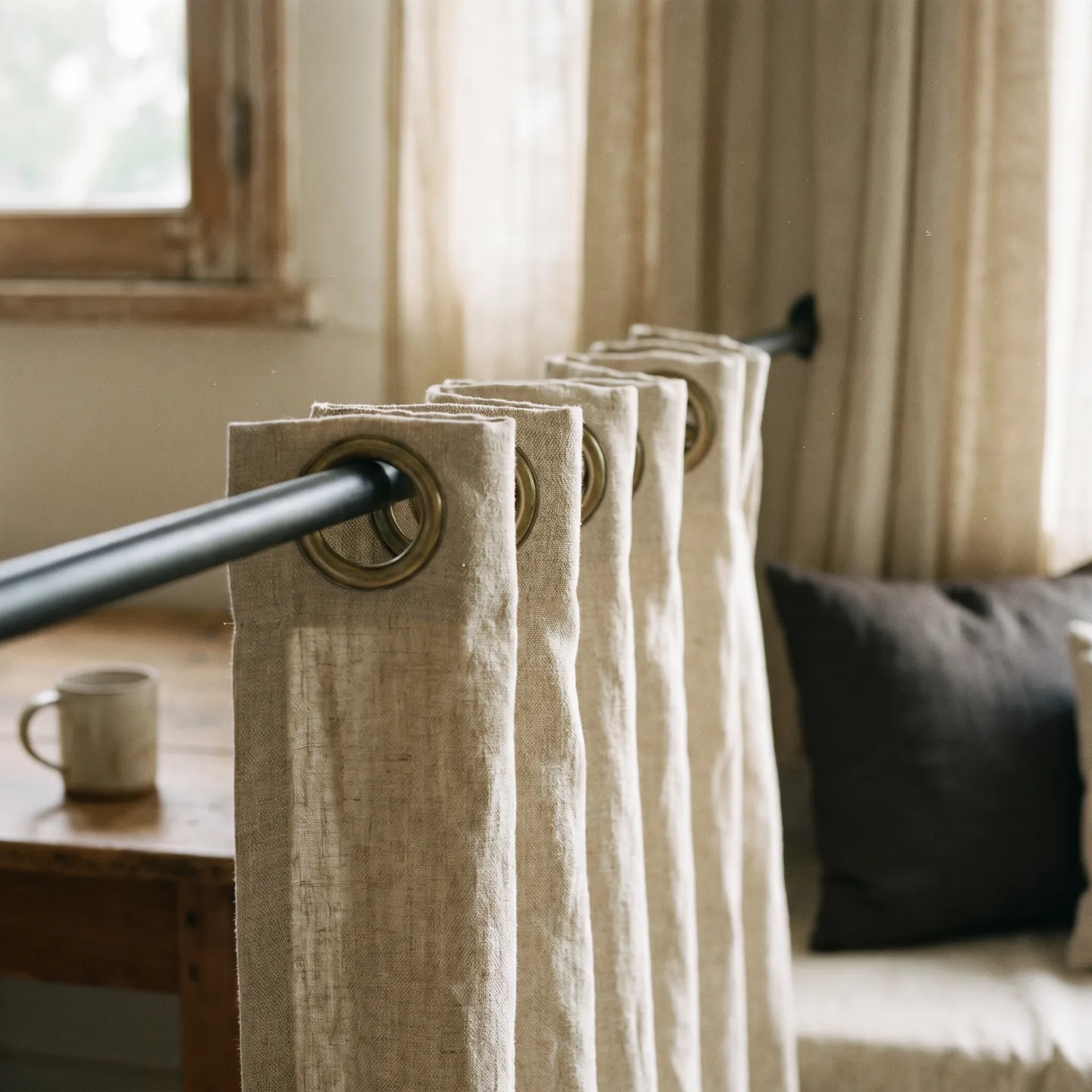
Eyelet
Metal rings punched straight through the heading, threaded onto a visible rod. The curtain hangs from the rings and falls in wide, deep, even folds with a relaxed swing when drawn.
- Falls in big soft columns, fewer and deeper than any other heading. Casual by nature.
- Wants a little under double fullness, and a rod worth looking at, because you will be looking at it.
- Runs on rods only. No tracks, no pelmets; the rings are the mechanism and the look at once.
- Suits contemporary living rooms, relaxed linens, and rooms where the hardware is part of the styling.
Ask for it as: eyelet. If you have seen "grommet" in American blogs, it is the same heading wearing a different accent.
Side by side
The four headings at a glance
| Heading | Character | Fullness | Hardware | Best first match |
|---|---|---|---|---|
| S-fold | Relaxed, modern, continuous wave | About 2× width | Track only | Sheers over big glass |
| Pinch pleat | Tailored, formal, structured columns | 2× and a bit | Track or rod | Lined drapes, heritage rooms |
| Pencil pleat | Classic, soft, even gathers | About 2× | Track or rod, loves a pelmet | Almost everything else |
| Eyelet | Casual, deep folds, visible rod | Just under 2× | Rod only | Contemporary living rooms |
Fullness figures are the working rules of thumb we quote to; the exact number is set per fabric at the measure.
Pick the fall you want to live with; the heading is just its name.